Designing a small bathroom presents a unique challenge: you must maximize function without sacrificing style. With the right approach—grounded in space planning, material choices, and smart fixtures—you can create a space that feels larger, calmer, and more usable. This guide offers small bathroom ideas that address common search intent: practical layout tips, storage solutions, lighting strategies, and product recommendations. It also emphasizes EEAT: proven techniques, trusted fixtures, and maintenance tips from design best practices.
Space planning essentials for small bathrooms
Start with accurate measurements and a clear floor plan. In limited spaces, every inch counts. Map the door swing, toilet clearance, and vanity depth on a scaled plan. Favor wall-mounted fixtures to keep floors visible and easy to clean. When possible, choose a sliding or pocket door to avoid swing interference and create a 32-inch clear pathway for comfortable movement.
Use a two- to three-zone layout: a compact vanity near the entry, a shower or tub at the far end, and a toilet tucked into a corner. If your bathroom is extremely narrow, consider a wet-area concept where the shower is open to the room with a clear glass panel to minimize visual bulk.
Measure and plan layout
Take precise measurements of width, depth, and clearance. Create a scaled floor plan on grid paper or a digital tool to test vanity depth, toilet footprint, and shower dimensions before buying fixtures.
Door and path considerations
Assess door type and swing. A sliding or pocket door can free precious space and improve accessibility, especially in ultra-narrow baths.
Color, materials, and visual tricks to feel larger
Light, neutral tones reflect more light and broaden the sense of space. Use white, pale gray, or soft beige on walls, with slightly lighter ceilings. Introduce contrast with a single dark accent accessory to avoid overpowering the room. Large-format, light-colored tiles reduce grout lines and create a continuous surface, making walls feel smoother and more expansive. Mirror surfaces amplify light—pair a wide mirror with natural light or layered artificial lighting for best effect.
Smart storage and compact fixtures that save space
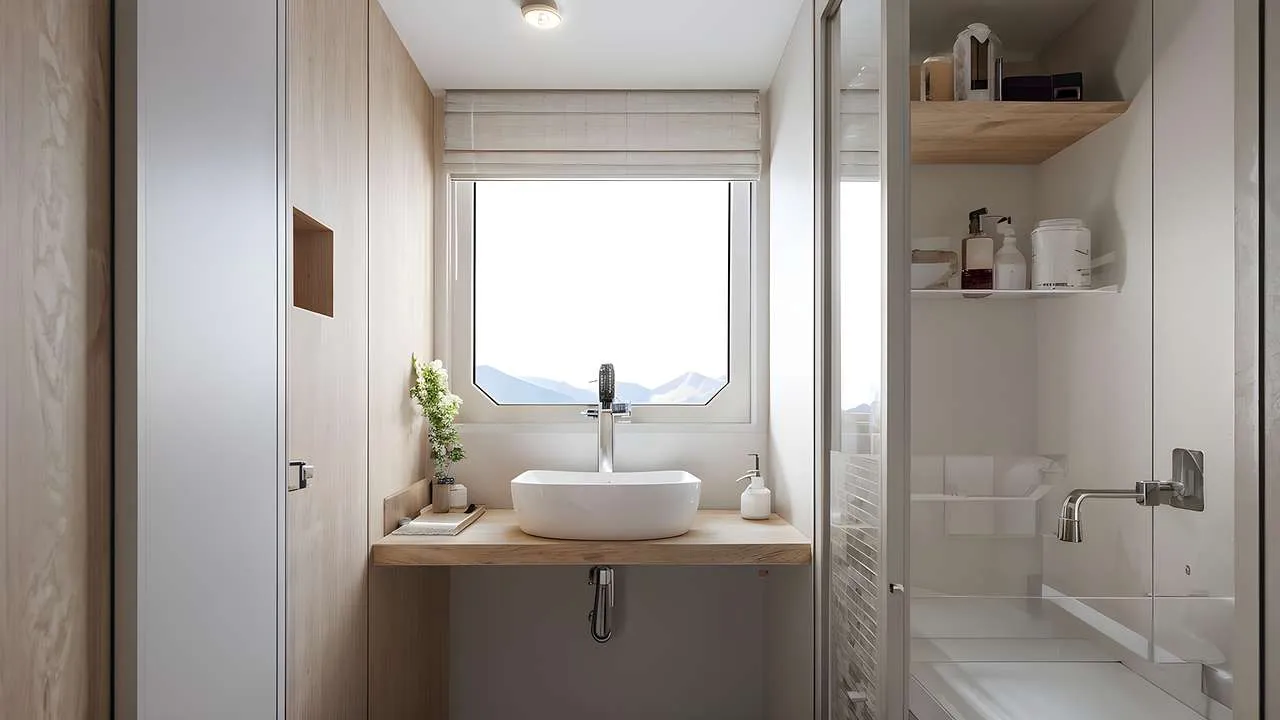
Opt for a wall-mounted vanity with integrated sink or a pedestal sink only if you must, but wall-hung options free floor space and visually expand the room. Corner shelves, recessed niches in the shower, and a tall, slim medicine cabinet add storage without crowding. Consider a medicine cabinet with a mirrored front; it serves two purposes. For toilets, look for compact bowls with a slim tank or a concealed cistern if plumbing permits. Use dual-flush models to save water and reduce the perceived size of the room.
Lighting and ambiance for a small bathroom
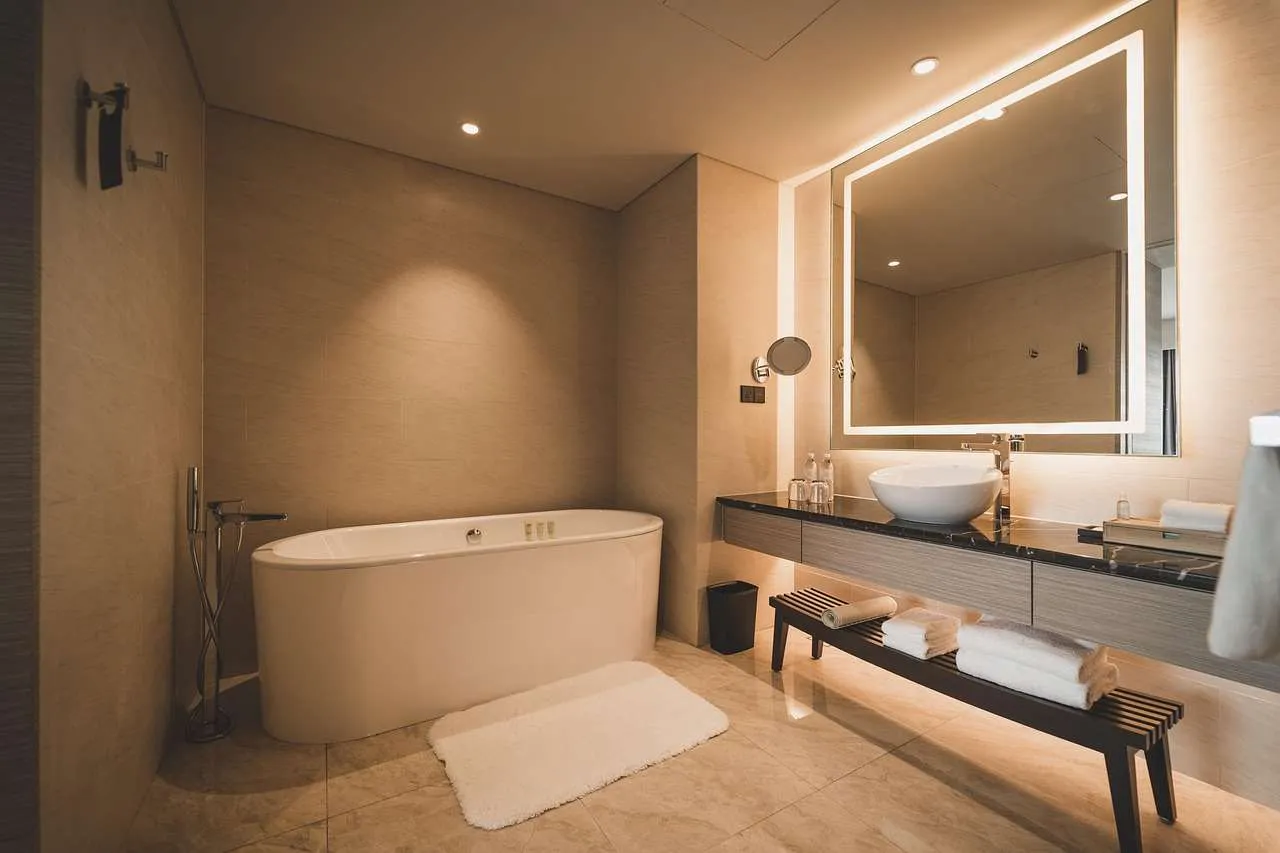
Layered lighting is crucial. Combine ceiling ambient light with task lighting near the mirror and subtle LED strips under cabinets or along shelving. A well-placed mirror can reflect both natural and artificial light, increasing perceived space. Waterproof, glare-free fixtures with a warm color temperature (2700–3000K) create a welcoming atmosphere while enhancing colors in the room.
Budget-friendly upgrades and materials
Small bathroom ideas can be affordable. Replace an old vanity with a compact, wall-mounted unit; install a frameless glass shower door for an open look; update hardware and fixtures with nickel or matte black finishes for a modern touch. Replacing standard tiles with large-format porcelain or porcelain-look panels reduces grout maintenance. For DIYers, peel-and-stick backsplash and paint upgrade can refresh the space without major renovations. For more ambitious projects, plan for professional plumbing and waterproofing to maintain EEAT standards and longevity.
Comparison: Practical small bathroom ideas at a glance
| Idea | Pros | Cons | Best For | Estimated Cost |
|---|---|---|---|---|
| Wall-mounted vanity with open storage | frees floor space, easy cleaning | exposed plumbing, less countertop area | powder rooms, tight layouts | $300-$900 |
| Corner glass shower enclosure | visually expands, bright | installation can be complex | narrow baths | $800-$2,500 |
| Large mirror or medicine cabinet | increases perceived space, adds storage | fingerprints, higher cost | any small bath | $100-$400 |
| Recessed niches and shelves | tidy storage, reduces clutter | requires precise framing | tub/shower zones | $100-$400 |
| Light, large-format tiles & light colors | brighter, fewer grout lines | grout maintenance potential | any small bath | tiles $1-$14/sq ft + install |
Care and long-term durability
Choose durable, water-resistant materials and easy-to-clean surfaces. Porcelain tile, acrylic shower components, and quartz countertops resist moisture and stains. Regular sealing of natural stone or grout refreshes the look. Clean lines and consistent hardware reinforce a cohesive, timeless feel that remains scalable as needs change.
Summary: By combining smart layout, light colors, efficient storage, and quality fixtures, you can transform a small bathroom into a functional, stylish space. Start with precise planning, pick compact fixtures, and use mirrors and layered lighting to expand the feel of the room, while keeping maintenance in mind for lasting comfort.