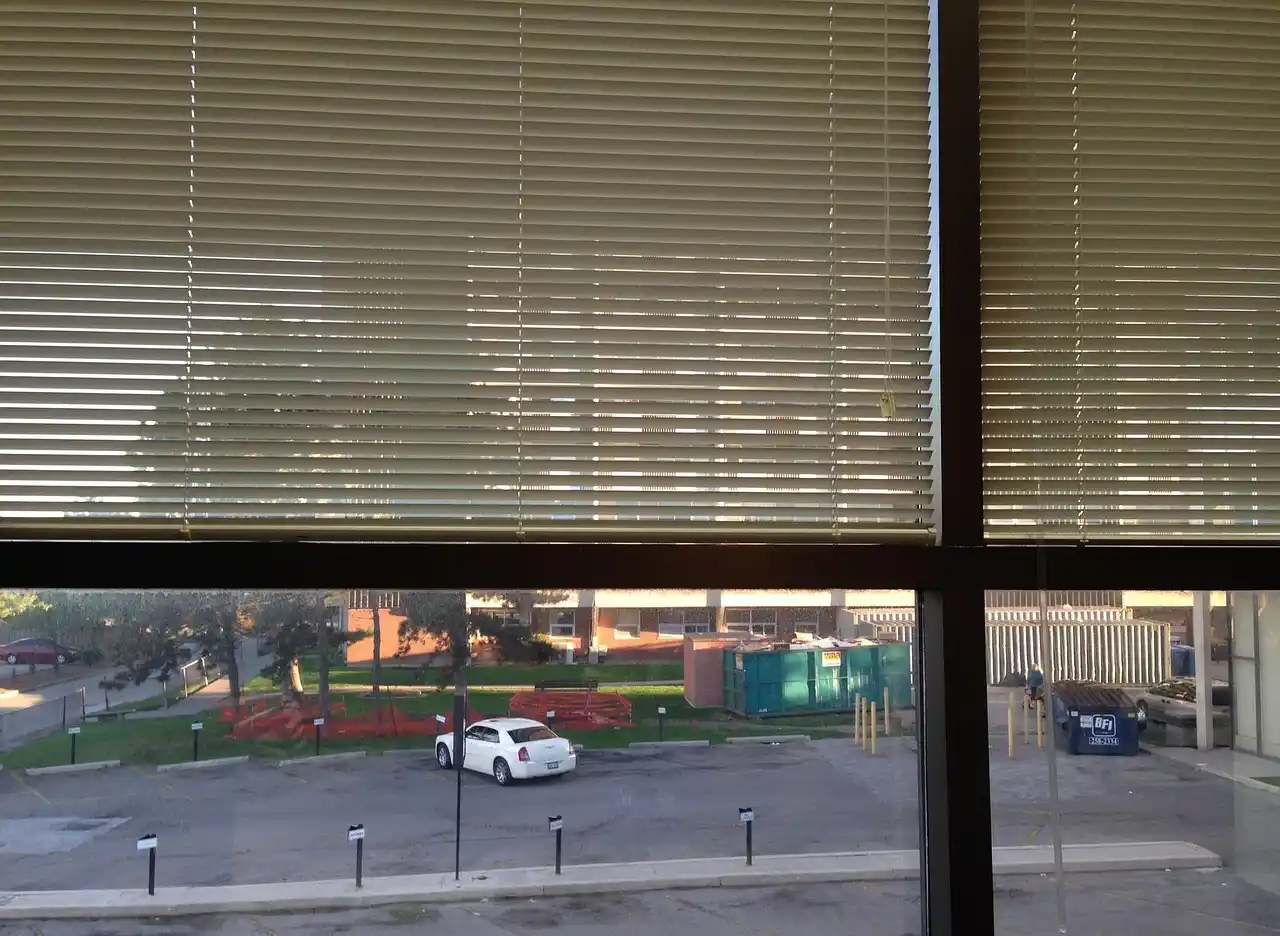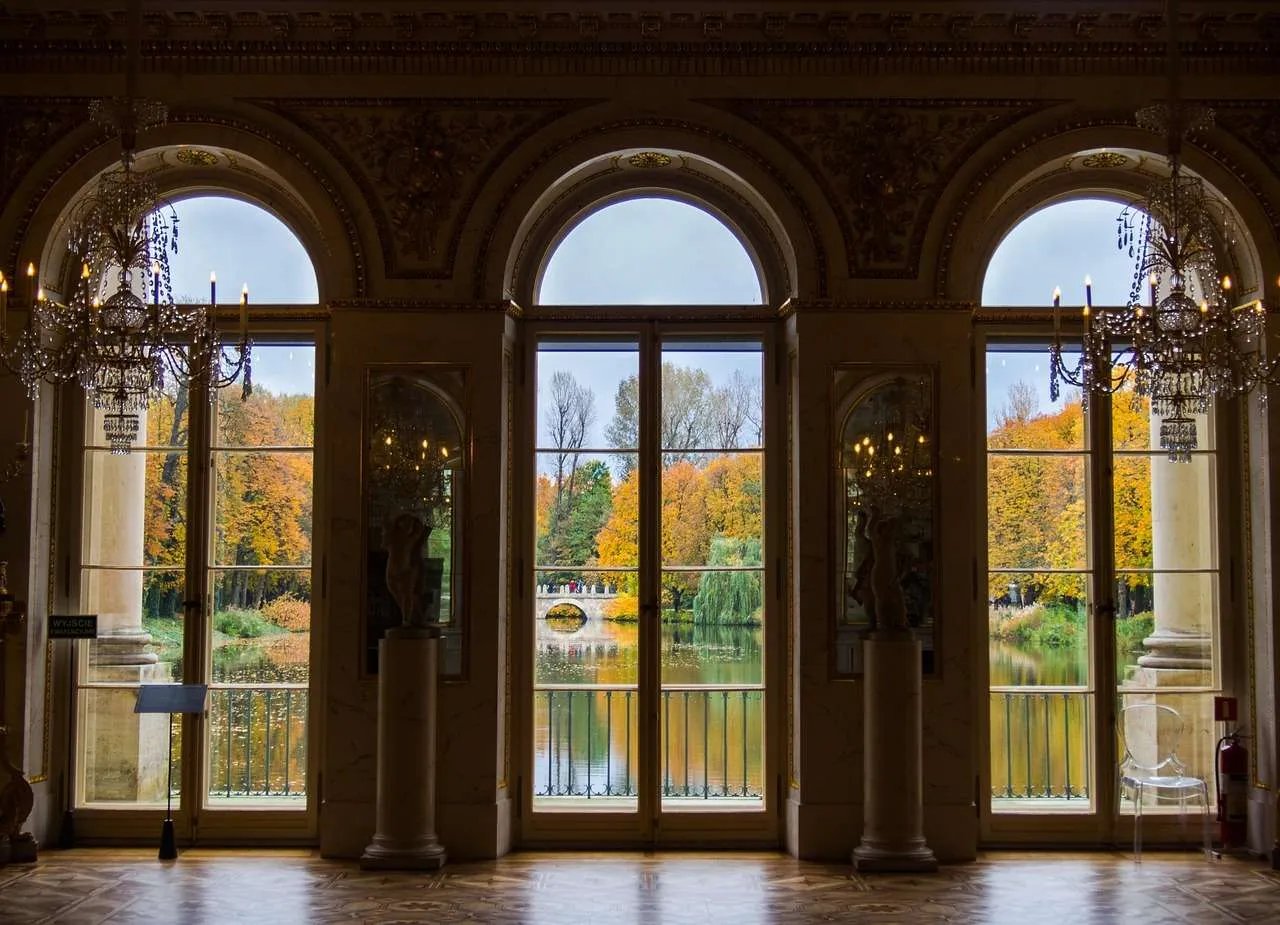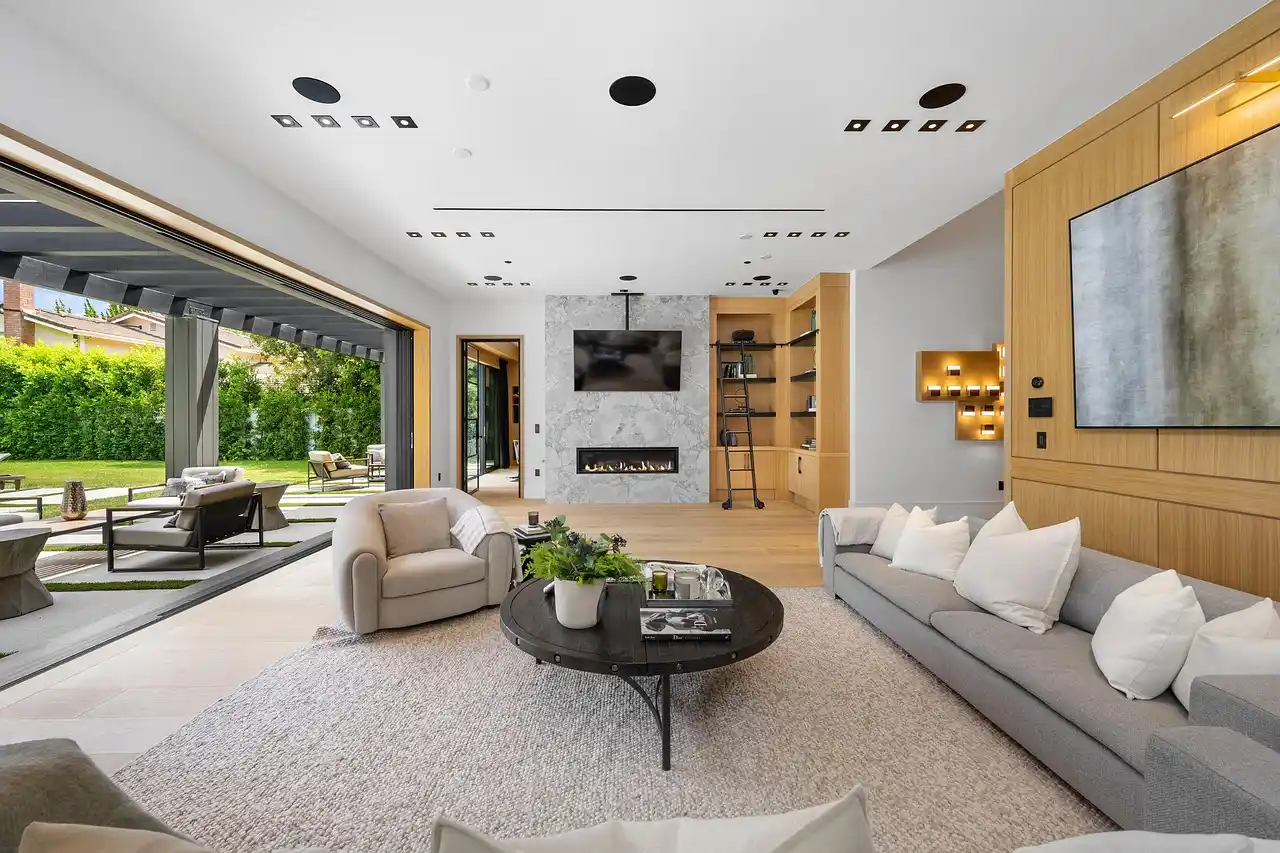
Home window tinting refers to applying a protective film to the interior surface of glass to control heat, glare, and privacy. Modern films block infrared light and UV rays while preserving visibility and natural light. For homeowners, tinting can reduce cooling costs, protect furniture from fading, and improve overall comfort. This article explains how tinting works, what types exist, how to choose the right tint, installation options, costs, and maintenance to help you meet your goals with confidence and trust.
Benefits of Home Window Tinting
- Energy savings and comfort: tint reduces cooling loads and minimizes hot spots.
- UV protection: filters up to 99% of harmful UV rays to protect furnishings and skin.
- Glare reduction: lowers eye strain in bright rooms, especially near windows.
- Privacy and aesthetics: improved privacy without sacrificing daylight; modern films stay clear when viewing from inside.
- Security and durability: some films hold shattered glass in place and resist scratches.
How Window Tinting Works
Window films are designed with multiple layers that reject heat, reflect infrared light, and absorb UV. The film's performance is described by metrics such as visible light transmission VLT and solar heat gain coefficient SHGC. A lower SHGC means less heat from the sun, which is particularly valuable in hot climates.
Choosing the Right Tint for Your Home
Choose a tint that balances energy savings, daylight needs, and local regulations. Check local building codes and homeowner association rules, as some areas restrict highly reflective films on visible exposures. Look for a product with a high UV rejection, durable warranties, and a reputable installation.
Key decision factors
- Visible light transmission (VLT): the percentage of light allowed through. Higher VLT preserves natural daylight; lower VLT increases privacy and heat rejection.
- Solar heat gain coefficient (SHGC): lower SHGC reduces heat entering the home.
- UV protection: aim for near 100% UV rejection to protect furnishings.
- Privacy and aesthetics: choose tint shade that complements your home’s exterior and interior style.
- Durability and warranty: look for scratch resistance and a warranty covering adhesives and fading.
Popular tint types
Common home window tint options include ceramic, carbon, metalized, and dyed films. Each type has distinct advantages in heat rejection, clarity, and price. Ceramic films offer strong performance without color shift; carbon films provide durable, saturated tones; metalized films can reflect more heat but may interfere with electronics; dyed films are budget-friendly but can fade over time.
| Tint Type | UV Rejection | Heat Rejection | Privacy | Durability | Typical Cost | Best For |
|---|---|---|---|---|---|---|
| Ceramic | Very High | High | Moderate-High | Excellent | 6-12 per sq ft | Energy savings, clear view |
| Carbon | High | High | Moderate | Excellent | 4-9 per sq ft | Modern look, good depth |
| Metalized | Very High | Very High | High | Good | 5-10 per sq ft | High glare reduction |
| Dyed | Moderate | Moderate | Low-Moderate | Fair | 2-5 per sq ft | Budget-friendly, color tint |
| Clear UV Film | Very High | Low | Low | Moderate | 1-3 per sq ft | UV protection with minimal tint |
Installation options and warranties
For most homeowners, professional installation is recommended. Trained installers ensure precise cuts, edge sealing, and warranty coverage. Reputable shops often offer warranties that cover bubbling, delamination, fading, and adhesive failures for 10 to 15 years. When evaluating installers, look for certifications from industry associations and ask about warranty transferability and maintenance requirements.
Maintenance and longevity
Maintaining film integrity involves gentle cleaning with a soft cloth and mild soap, avoiding abrasive cleaners or ammonia-based products that can degrade adhesives. Inspect edges periodically for peeling and schedule re-tinting when you notice fading or bubbling. With proper care and professional installation, most films maintain performance for a decade or more.
Cost and return on investment
Costs vary by film type, window size, and labor. Typical installed ranges are roughly 5 to 12 dollars per square foot, depending on tint, grade, and installer. While upfront costs exist, energy savings from reduced cooling demand, protection of interior furnishings, and improved comfort can yield a favorable ROI over 5 to 12 years, especially in hot sunny homes.
Summary: This guide covered the benefits, types, selection criteria, installation options, and maintenance tips for home window tinting. By choosing the right film, considering VLT and SHGC, and using a certified installer with a solid warranty, you can reduce energy costs, protect furnishings, and enhance comfort while maintaining a clear view.